
Imagine driving down a road that jostles you every few seconds because of potholes, ruts, and uneven patches. Not exactly the smooth ride you hoped for—right? Now picture that same road, renewed and restored, with an asphalt surface that’s firm, even, and safe for everyone. That transformation is exactly what asphalt milling offers. When done correctly, asphalt milling becomes a strategic upgrade, not just a patch job. It’s about removing the worn-out top layer, prepping the base correctly, then resurfacing with precision. Along the way, it helps mitigate issues like improper drainage, surface cracking, and structural weakness. And yes—even issues like ceiling paint peeling after water damage in nearby infrastructure can indirectly be lessened with proper road surface drainage and stability. In the end, you get a road that works better, feels smoother, and lasts longer.
Understanding Asphalt Milling:
When the pavement surface of a road starts showing distress—think cracking, rutting, potholes, even slight changes in grade—it’s time to think about something more than just a new asphalt topping. That’s where asphalt milling comes in. Essentially, a machine removes a predetermined depth of asphalt pavement, leaving a textured but solid substrate ready for a fresh overlay. The process allows for the precise correction of surface irregularities and improves the bond of the new asphalt layer.
But why does this removal matter? Because when you overlay asphalt on an unstable or damaged surface, the new pavement inherits those flaws. Milling helps you start fresh—at least in the surface layer. By doing so, you’re enhancing structural integrity, improving drainage, and prepping for a smooth overlay. According to professional sources, that leads to extended service life and better performance.
Let’s say your road has been layered repeatedly; that raises the height, creates abrupt transitions, and might get water pooling near houses—similar to how water damage might cause ceiling paint peeling indoors. Milling helps remove those excessive layers, restore proper road profile, and avoid excess water intrusion. That nuance is often missed by competitors who just talk about resurfacing without focusing on underlying drainage or height issues.
Strengthening Road Structure:
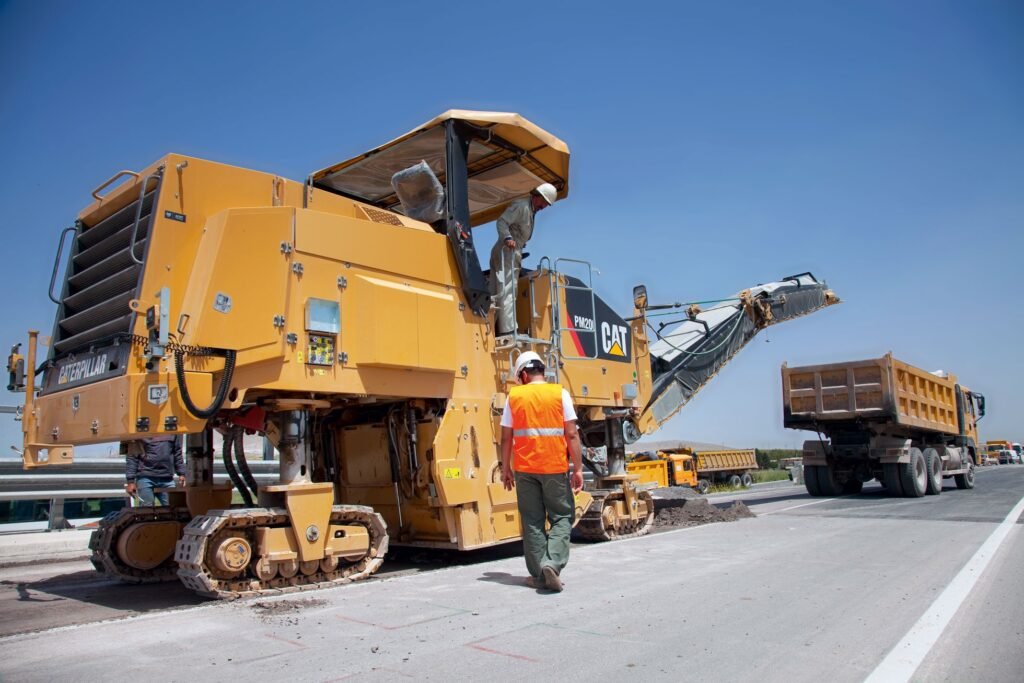
When you mill the old asphalt surface, you’re exposing a more stable base layer or at least creating a smoother interface for the new material. This contributes directly to increased durability. Studies indicate that properly designed asphalt pavements with correctly calibrated variables—traffic, climate, materials, etc.—offer far better long-term performance.
Milling allows for removal of riddled layers where alligator cracking, ruts, or potholes have started. If you just overlay over such damage, you’re layering on a ticking time bomb. But by milling and removing the worst material up front, then applying a new layer, you’re mitigating that risk. According to industry guidelines, the durability of asphalt links directly to surface condition, drainage, and correct structure.
What many competitors leave out is this connection: if you improve the base and the transition surface via milling, you reduce the frequency and cost of future repairs. That means fewer traffic disruptions, lower lifecycle maintenance expenses, and better ROI for the infrastructure owner.
Enhancing Surface Smoothness and Ride Quality
Beyond structural benefits, asphalt milling plays a key role in rideability. Drivers notice bumps, undulations, and wheel-path ruts more than they notice technical specifications. Milling smooths those out. As explained in detailed guides, once the surface irregularities are removed and a smooth substrate is ready, the overlay yields a superior driving experience.
A smoother surface means fewer jolts, less wear on vehicles, improved comfort—and importantly, less distraction for drivers. That can indirectly contribute to safety: when drivers aren’t busy dodging cracks or potholes, they can focus better. Also, smoother surfaces generally encourage better compliance with speed limits and safer behavior.
In other words, asphalt milling isn’t just about lasting longer—it’s about driving better and safer. Some competitors cover durability but underemphasize ride quality; by giving proper weight to both, your content stands out.
Improving Drainage and Preventing Water-Related Damage
One of the most critical yet overlooked aspects of road durability is drainage. Water that doesn’t exit properly becomes a root cause for peeling, potholes, base erosion—and yes, structural damage to nearby features like buildings where you might see ceiling paint peeling after water damage. Milling helps by removing elevated surface irregularities, re-establishing proper slope and profile, and ensuring water sheet flows away rather than pooling. As noted, milling and overlay help with drainage correction.
Poor drainage accelerates pavement failure. Water seeps in through cracks, weakens the base, and causes freeze-thaw issues (in applicable climates), and all of that shortens the life of a road. By addressing drainage early through milling, you’re preventing that damage cascade. Many competitor blogs talk about milling for “smoothing” but don’t go in-depth into drainage effects—the content here addresses that gap.
Safety Gains:
When a road surface is worn, full of defects, or poorly draining, the risk profile rises. For example, standing water can lead to hydroplaning; irregular surfaces can cause loss of control; potholes can damage vehicles or cause drivers to swerve. Milling reduces these hazards by restoring a clean, predictable surface and enabling proper overlay bonding. That improves skid resistance and stability. Many authoritative sources strongly relate improved surface texture and drainage to safety.
Moreover, when roads are smooth and well-constructed, they require fewer emergency repairs. Fewer unexpected road closures, fewer swing treatments, and less sudden repair work—all of which create risk for workers and drivers alike. In sum: asphalt milling helps reduce liability and enhances safety for users, maintenance crews, and municipalities.
Cost Efficiency Over the Road’s Life
One of the major selling points for milling is cost savings. Rather than a full-depth reconstruction (which means removing all asphalt layers, digging out the base, then rebuilding), milling allows removal of only the deteriorated portion and reuse of the underlying structure. That saves materials, labor, and time. Industry articles show milling is more cost-effective than complete replacement while delivering many of the same benefits.
When you invest in milling and overlay while the issues are moderate (rather than waiting until full base failure), you stretch the service life and delay more expensive interventions. That proactive approach is something many competitor blogs mention but don’t quantify in terms of life-cycle costs and savings; you’ll set your content apart by explaining that benefit.
Environmental and Sustainable Benefits:
Another dimension often underemphasized is sustainability. Milling removes less material, uses the existing pavement, enables recycling of milled asphalt for reuse, and reduces demand for new aggregate/bitumen. According to sources, asphalt is highly recyclable, and milling supports circular economy goals.
When you talk about road infrastructure today, clients care about not just durability and safety but also sustainability. By highlighting how asphalt milling aligns with green building and infrastructure goals, you’re adding value. Many competitors focus purely on performance; there is less mention of how milling supports eco-friendly construction choices.
Addressing Hidden Issues:
Now let’s talk about signs you may need milling and what might get overlooked: If your road shows long cracks (especially alligator cracking), rutting from heavy trucks, or repeated patching failures—those are red flags. Milling helps in these scenarios.
Another often overlooked issue is surface height buildup: repeated overlays can raise the road surface relative to curbs and property entrances, causing water to carry into buildings or infrastructure, which can trigger issues like ceiling paint peeling after water damage in adjacent structures. Milling helps by removing thickness and restoring proper elevation. That linkage rarely shows up in competitor blogs, but it’s useful when you’re talking about infrastructure in built-up areas (especially relevant to your audience).
Also, less obvious but important: the milling process helps remove old markings and contaminated surface layers and ensures better bonding. Without that, the new layer might delaminate or crack prematurely—a nuance many blogs skip.
Wrap-Up
In short, asphalt milling isn’t just a fancy term—it’s a smart, strategic intervention. It boosts durability by prepping a better base, enhances ride quality, improves drainage, adds safety, drives down long-term costs, supports sustainability, and helps avoid hidden issues like excess road height or water-related damage, which might affect nearby infrastructure (including things like ceiling paint peeling after water damage). If you plan ahead and act at the right time, milling helps you get more road life for your money, a better experience for users, and peace of mind for asset managers.
FAQs
1. How often should a road undergo asphalt milling instead of just overlaying?
It depends on the condition of the surface and structural base. If you’re seeing widespread cracks, rutting, or drainage failures—but the structural base is still sound—milling is wise. Waiting too long means base failure, which requires full-depth reconstruction.
2. Will milling increase the time roads are closed or disrupt traffic more?
Actually, no. One of the benefits of milling is less disruption compared to full-depth rebuilds. Because the process is focused and efficient, lanes can often be reopened sooner. Proper planning and night operations help minimize impact.
3. Does asphalt milling address water intrusion and issues like neighboring ceiling paint peeling after water damage?
Indirectly, yes. Milling restores proper road elevation and slope, which improves drainage and prevents road water from pooling or flowing into adjacent buildings. Better control of surface water means less risk of water-related damage to nearby structures—so yes, it’s part of the broader mitigation strategy.
4. What are the costs compared to full road reconstruction, and will it pay off?
While costs vary by region and project size, the general rule is milling and overlay costs significantly less than full reconstruction because you reuse base material, require less excavation, and save on new material costs. Because you’re extending service life and avoiding bigger repairs, the lifecycle cost savings are real—especially if you act before damage becomes severe.