
When your driveway starts to look a little tired, it’s not just about appearance—it’s a sign that your investment might be wearing down. Over time, weather, oil spills, sunlight, and daily traffic all take their toll on asphalt. What starts as slight fading or small cracks can quickly turn into costly damage if left untreated. Much like ceiling paint peeling after water damage, those early warning signs on your driveway mean it’s time to take action before things worsen. Sealcoating isn’t just about looks; it’s about protection. By recognizing the telltale signs early, you can extend your driveway’s lifespan, maintain its curb appeal, and save yourself from expensive repairs down the road.
When the Color Fades and the Shine Disappears
A newly paved driveway has a dark, rich, black tone that makes any home look polished and inviting. Over time, that deep color fades to a dull gray due to oxidation, UV rays, and exposure to the elements. This fading isn’t just cosmetic—it’s the first visible clue that the oils in your asphalt are breaking down. Once the surface loses its flexibility, cracks begin forming, and water starts penetrating the base layers.
Sealcoating restores that original dark tone and, more importantly, replenishes the protective barrier that shields your driveway from sunlight and moisture. If your driveway looks faded and chalky, that’s your cue to schedule professional sealcoating before the damage gets worse.
Cracks, Splits, and Surface Brittleness Mean Trouble
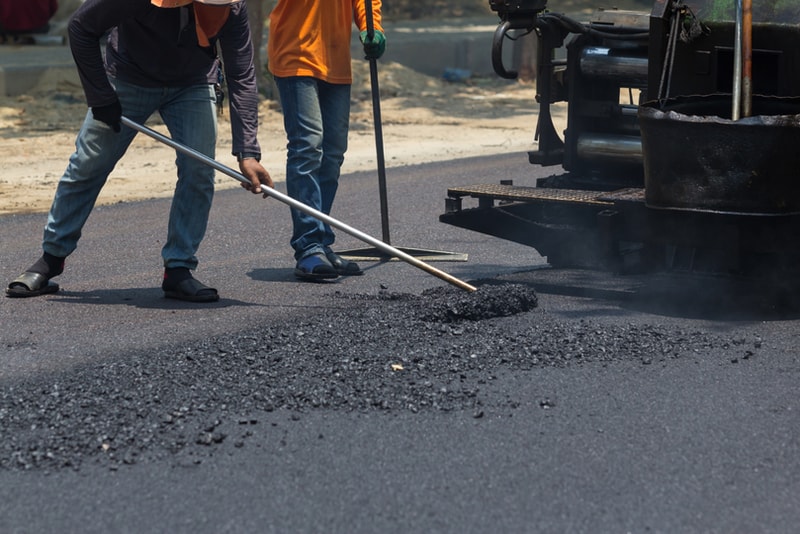
When you see small cracks or spiderweb patterns forming on your driveway, that’s not something to ignore. These cracks are openings that allow water to seep into the foundation of your asphalt. During colder months, that moisture freezes and expands, widening the damage and leading to potholes or surface crumbling.
Sealcoating acts as a flexible skin that fills minor gaps and prevents water and oils from penetrating the surface. If your driveway feels brittle or shows fine cracks, getting it sealed promptly can prevent costly repairs and keep your surface smooth and safe for years to come.
Water Pooling or Dipping Indicates Deeper Issues
After a heavy rain, take a look at how water behaves on your driveway. If you notice puddles that linger long after the storm has passed, it’s a clear sign of uneven wear or base settling. Water should bead and roll off a properly maintained surface. When it pools, it seeps through tiny cracks and starts breaking down the asphalt from within.
Sealcoating helps by creating a smooth, non-porous surface that encourages better water runoff. It’s a preventive measure that stops water from sitting and causing damage. If water consistently collects in certain areas, it’s time to get professional help before it leads to structural issues beneath your driveway.
Oil, Gas, and Chemical Stains Are More Than Cosmetic
Those dark spots from oil drips or gas spills may look harmless, but they’re actually signs of deeper chemical damage. Petroleum products dissolve the binders that hold asphalt together, weakening its structure. Over time, these stains can cause the surface to soften, making it prone to cracking and raveling.
Sealcoating creates a protective barrier that resists oil, gas, and other chemicals. While it won’t erase old stains, it prevents new ones from penetrating and keeps your driveway strong. If your driveway has visible stains that won’t wash away, it’s a sure signal that the protective layer has worn thin and sealcoating is overdue.
Rough Texture, Loose Gravel, and “Alligator” Cracking
Run your hand across your driveway—does it feel rough, with tiny stones loosening from the surface? Or do you notice a web of interconnected cracks that resemble alligator skin? Both are signs of surface deterioration. The binder in the asphalt has likely broken down, allowing small aggregates to come loose.
Sealcoating can restore smoothness and cohesion to the surface, stopping further unraveling. When alligator cracking appears, it’s a warning that the surface is losing flexibility. Applying sealcoat at this stage can delay the need for resurfacing. Ignoring these warning signs, however, allows water and debris to accelerate the breakdown, leading to far more expensive repairs later on.
Long Gaps Since the Last Sealcoat Mean Greater Risk
If it’s been more than two to three years since your last sealcoating, it’s time for another. Even if your driveway looks fine, the protective layer wears away gradually, leaving your surface exposed to UV rays, rain, and oil. Think of sealcoating as sunscreen for your asphalt—it needs to be reapplied periodically to remain effective.
Consistent maintenance extends the lifespan of your driveway and keeps repair costs low. Homeowners who maintain a regular sealcoating schedule often get decades of use from their driveways without major resurfacing. So, if it’s been a few years, don’t wait for cracks or fading to appear—stay proactive and protect your investment.
Edge Damage, Crumbling, and Base Settlement
Driveway edges are often the first areas to show damage because they’re unsupported and exposed to traffic and moisture. If you see crumbling, chipping, or pieces breaking off along the sides, it means the edges are drying out or the base is settling unevenly. Over time, this can lead to full-scale cracking across the driveway.
Sealcoating helps stabilize the edges by sealing out moisture and reinforcing the surface. However, if there’s visible base settlement—areas that have sunk or lifted—a professional should repair those sections before sealcoating. Addressing base issues early ensures your driveway remains level and protected for years to come.
Weather Extremes Speed Up Damage
From scorching summers to freezing winters, weather is your driveway’s biggest enemy. Heat and sunlight dry out asphalt oils, while cold temperatures cause expansion and contraction that crack the surface. Rainwater then seeps in, accelerating decay. Without a proper seal, this cycle repeats every season, breaking down your driveway year after year.
Sealcoating creates a weather-resistant layer that blocks UV rays and prevents water infiltration. If you live in an area with harsh weather swings, scheduling sealcoating every few years is essential. It not only prevents structural damage but also keeps your driveway looking new, smooth, and vibrant through every season.
Don’t Wait—Protect Your Driveway Today
Your driveway does more than hold your car—it frames your home’s appearance and adds to its property value. If you’ve noticed fading color, cracks, stains, rough patches, or pooling water, those are your driveway’s way of asking for help. Professional sealcoating is a quick, affordable way to restore beauty, increase longevity, and prevent future issues.
By acting now, you avoid the high costs of resurfacing and replacement later. Schedule an inspection, get a quote from a trusted asphalt sealcoating contractor, and keep your driveway in peak condition. Regular maintenance today means fewer headaches and bigger savings tomorrow.
Wrap-Up
Your driveway works hard every day, enduring traffic, weather, and spills. The signs of wear—fading color, cracking, rough texture, pooling water, and stains—are your early warnings. Ignoring them leads to structural issues that cost thousands to repair. Sealcoating is your best defense, providing protection, durability, and renewed curb appeal. Whether it’s been years since your last seal or you’re spotting signs of distress now, don’t delay. A professional sealcoat will shield your driveway from the elements, restore its rich appearance, and safeguard your property’s value for years to come.
FAQs
Q1: How often should I have my driveway sealcoated?
Most experts recommend sealcoating every two to three years. However, if your driveway sees heavy traffic or harsh weather, you may need it more frequently.
Q2: Can sealcoating repair deep cracks or potholes?
No. Sealcoating protects the surface and fills fine cracks, but large cracks or potholes must be repaired before applying the sealcoat for lasting results.
Q3: Is it worth hiring professionals instead of doing it myself?
Yes. Professionals use industrial-grade products and equipment that ensure a smooth, even application. DIY kits can’t match the durability or longevity of professional work.
Q4: Does sealcoating really improve appearance?
Absolutely. It restores your driveway’s deep black finish and smooth texture, enhancing curb appeal while extending lifespan and preventing further damage.