
How often should you schedule asphalt paving services? It’s a great question, one that many property owners overlook until cracks or potholes force the issue. If you’re managing a driveway, parking lot, or commercial lot, understanding the ideal timing for paving, maintenance, and repair can save you time, money, and frustration. And surprisingly, there’s even a connection to something like ceiling paint peeling after water damage—because just as moisture undermines paint and drywall, water and weather undermine asphalt. Let’s walk through what you need to know, when to act, and why a planned schedule beats reactive patchwork every time.
Why Timing Matters for Asphalt— Don’t Wait Until It’s Too Late
Scheduling asphalt paving services at the right time matters because pavement isn’t “set it and forget it.” Over time, weather, traffic, and underlying issues chip away at the surface. If you delay, what might’ve been a simple reseal or overlay turns into a full replacement. Plus, when moisture seeps down beneath the surface—much like when ceiling paint starts peeling after water damage—you’re facing structural issues, not cosmetic ones. By scheduling proactively, you control costs and maintain safety, value, and appearance.
Asphalt that’s neglected often displays symptoms: fading from rich black to pale gray, surface aggregate shedding, cracking, or pooling water. These are analogous to water damage in ceilings—the signs start subtle, but once the underlying damage spreads, the repair becomes more extensive and expensive. For asphalt, a timed maintenance or repaving schedule keeps you ahead of deterioration so you don’t end up scrambling when things go wrong.
Typical Frequency for Driving Surfaces – Residential vs. Commercial
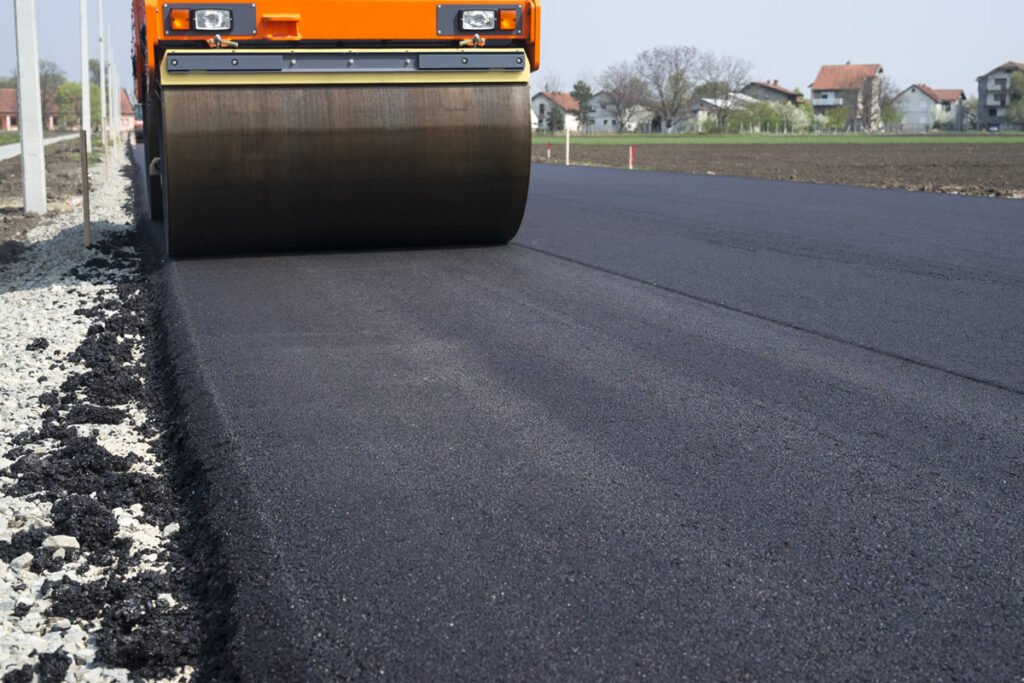
For residential driveways, the wear and tear is generally lighter than for commercial lots, but don’t let that lull you into complacency. Many paving contractors recommend that sealcoating and more significant treatments happen every 18-36 months, depending on usage, climate, and quality of the original installation. A driveway in a mild climate with light use may stretch longer—but regions with freeze/thaw cycles, heavy vehicles, or oil spillage need more frequent attention.
Commercial lots or high-traffic areas endure much heavier stress. More vehicles, heavier loads, frequent turning, and exposure to oils and chemicals—these all speed up deterioration. Some sources recommend inspections annually and more significant intervention every 2-3 years. The key takeaway: tailor your schedule based on use and environment. A one-size-fits-all timetable doesn’t work.
Recognizing the Warning Signs—Spot Issues Early
Before scheduling a full paving service, pay attention to early warning signs. Just as you wouldn’t ignore ceiling paint peeling after water damage, you shouldn’t ignore asphalt discoloration, cracking, or aggregate loss. One paving blog advises that when asphalt starts to fade or lose its surface material, it’s time for sealcoating. Other signs include pooling water (suggesting drainage issues), oil stains that soften asphalt, or visible base failures beneath the surface.
Don’t wait until potholes show up—those are signs of deeper damage. Catching early signs allows you to schedule maintenance or sealing before full reconstruction becomes necessary. Early intervention extends lifespan and keeps your surface looking good and performing well.
Scheduling for Maintenance vs. Full Replacement—Plan Smart
There are different levels of service—from regular maintenance like cleaning, crack sealing, and sealcoating to full resurfacing or replacement. According to industry guidance, maintenance services typically occur every 1-3 years (for cleaning, crack sealing, and sealcoating) depending on severity and conditions. Meanwhile, full overlay or replacement often comes after 6-10 years (or more) of service when structural integrity is compromised.
Thus, when you schedule paving services, clarify whether you’re engaging maintenance or a full repave. For maintenance, you might set up annual inspections and every-other-year treatments. For replacement, plan around end-of-life estimates, budgeting ahead. This proactive scheduling avoids the “ceiling paint peeled and we have water damage, now what” scenario. You’re not reacting—you’re preventing.
Factors That Influence When to Schedule—Location, Traffic, Weather
Several key variables determine the ideal frequency for scheduling paving services: traffic volume, climate, quality of the original installation, and drainage conditions. One blog explains that in hot or wet weather, sealcoating needs to happen sooner because UV rays, moisture, and oxidation degrade the surface faster. If you have heavy truck traffic, chemical exposure (oil, grease), or poor drainage, your schedule needs to be more aggressive.
Think of it like managing a leak behind your ceiling: if you know you have heavy rain or a roof issue, you inspect sooner. The same goes for asphalt—if you’re in a region with big temperature swings, freeze-thaw cycles, or heavy loads, schedule more often. Conversely, in milder climates with light use, you might stretch intervals—just don’t skip inspection altogether.
Best Time of Year to Schedule Paving—Weather & Practical Timing
Timing within the year also matters. Many contractors suggest scheduling work in the spring or early summer for new installations and major maintenance because weather conditions are more favorable. For example, one source notes that early scheduling helps ensure the work finishes ahead of harsh winter conditions. For regions with winter freeze, it’s better to complete sealcoating or overlays before the temperature dips so the material cures properly and doesn’t get compromised.
Also keep in mind traffic disruptions, budget cycles, and contractor availability. If you wait until late in the season or after a long winter, you may face less availability or higher costs. Scheduling early gives you better time slots and sometimes cost advantages.
Integration of Other Maintenance—Drainage, Cleaning & Link to Interior Issues
Scheduling paving services isn’t just about the asphalt surface—there are complementary tasks you shouldn’t ignore. Cleaning asphalt surfaces twice a year, removing oil and debris, checking drainage, and making sure there’s no standing water all feed into the longevity of the surface. One blog recommended cleaning at least twice a year in addition to sealing and repair.
Similarly, if you’ve dealt with issues like ceiling paint peeling after water damage, you appreciate that moisture and failure of drainage systems can impact interior issues too. For asphalt, if water isn’t directed away, it seeps under the surface, undermining structural integrity. So when scheduling paving services, include inspection of drainage, subgrade condition, and adjoining surfaces to ensure you’re not just resurfacing a symptom. This holistic approach adds value and extends lifespan.
How to Create a Schedule You’ll Stick With – Action Steps
Ready to create a schedule? First, set up an annual inspection: check for cracks, color fading, pooling, and loose material. Second, depending on findings plus your traffic/use and climate factors, decide on the next step—cleaning and minor crack repairing or sealcoating overlay. For light residential use you might schedule sealcoating every 2-3 years; for heavier commercial use schedule every 1-2 years. As one expert put it, for high traffic, annual attention is often required.
Third, block out your calendar ahead—select the best season (usually spring or early summer) and contact your paving contractor early. Fourth, budget ahead. Include cleaning, inspection, sealcoating, and major repaving in your long-term plan so you’re not caught scrambling when issues appear. A well-planned schedule prevents last-minute rush jobs and better links maintenance with prevention. In short: inspection → cleaning → sealcoat/crack → repave. Rinse and repeat.
Planning for the Long Term—Lifespan, Budget & Value
Over the long term, a properly maintained asphalt surface can last well beyond its basic design life. One blog notes that a good maintenance schedule can extend pavement life from 15 to 25 years or more. But that only happens when you embed a schedule and act on it—rather than waiting for failure. For property owners, the cost of late-stage repaving (or patching deep issues) is many times what preventative maintenance costs.
When you schedule asphalt paving services as part of your property management plan, you’re essentially protecting your investment, enhancing curb appeal, avoiding liability (slips/trips or potholes), and promoting smoother traffic flow. Just like ignoring water damage until ceiling paint peels and then you have structural issues, ignoring asphalt maintenance until you have potholes will cost more and disrupt usage.
Wrap-Up
Taking a proactive, scheduled approach to asphalt paving services is the way to get the most value, longest lifespan, and smoothest surface. From understanding the right timing to recognizing early signs of damage to tailoring for traffic and climate to integrating cleaning and drainage inspection—each step adds up. If you schedule smart, you’ll avoid the rush of emergency repairs and keep your surfaces in top condition year after year.
FAQs
1. How often should I schedule sealcoating for my asphalt driveway?
You should typically plan for sealcoating every 18-36 months for a residential driveway, though heavy use, harsh climate, or older pavement may require it every 12-24 months.
2. What’s the difference between maintenance scheduling and full repaving?
Maintenance involves cleaning, crack sealing, and sealcoating to protect existing pavement and extend life. Full repaving (overlay or replacement) happens when structural failure is imminent, often after 6-10 years or more of use.
3. Does heavy vehicle traffic change the schedule?
Yes—heavier traffic, turning loads, chemicals, and poor drainage reduce the interval between maintenance. Commercial lots may need inspection annually and services every 1-2 years.
4. Can I wait until I see cracks or potholes to schedule my asphalt work?
It’s better not to wait. Once cracks or potholes appear, you’re in repair mode and dealing with structural issues rather than prevention. Early intervention—when the surface shows signs like fading or aggregate loss—yields better results and lower costs.