Demolition might sound straightforward—just tear it down and start over. But in reality, it’s a complex, highly regulated process that requires the right expertise, safety measures, and permits. Whether you’re planning to remove an old house, a garage, or a commercial structure, hiring the right demolition service makes all the difference. Before signing any contract, there are crucial details you need to know to ensure a smooth, legal, and cost-effective project. Just like noticing ceiling paint peeling after water damage warns you of a bigger issue, spotting red flags before hiring a demolition contractor can save you from costly mistakes later. Here’s what every homeowner and property owner should understand before hiring demolition services.
Understand the Type of Demolition You Need
Not all demolitions are the same. Some projects require full structural removal, while others need selective demolition—removing only specific sections like interior walls, floors, or roofs. Residential demolitions differ from commercial ones due to scale, safety regulations, and equipment requirements.
Before reaching out to contractors, define the scope of your project. Do you want a complete teardown or partial removal? Are there materials you plan to recycle or salvage? Having a clear understanding of your demolition goals helps contractors provide accurate quotes and prevents confusion once the project begins.
Verify Licensing, Insurance, and Permits
One of the most important steps before hiring a demolition company is checking credentials. A reputable contractor should hold valid state or local licenses for demolition work, along with liability insurance and workers’ compensation coverage. This protects you in case of property damage, accidents, or injuries during the project.
Also, demolition typically requires permits issued by your local municipality. Your contractor should be familiar with the process and handle permit applications on your behalf. Always confirm that they have obtained all necessary clearances before work begins. Skipping this step can result in hefty fines or project delays.
Ask About Safety Protocols and Experience
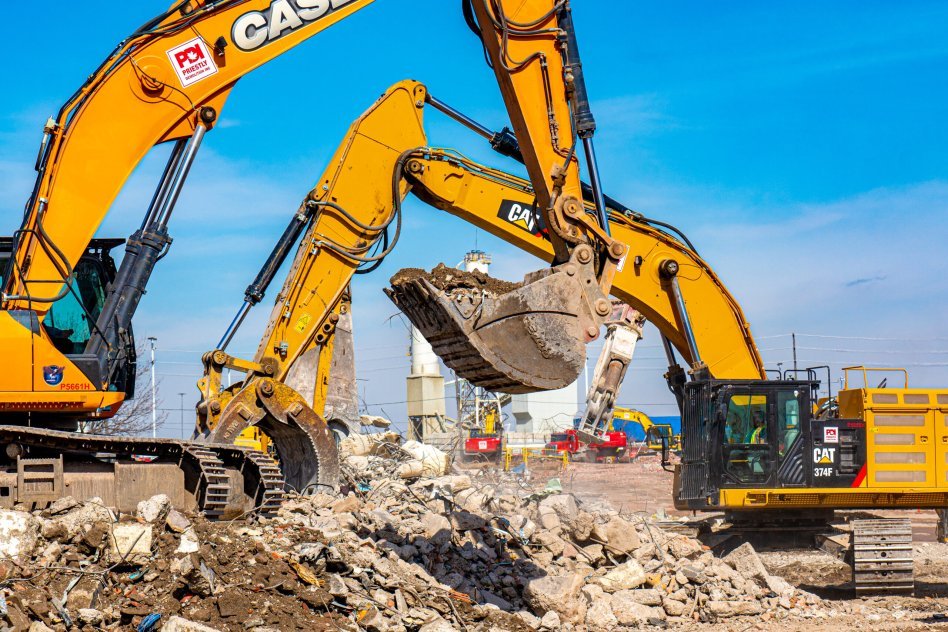
Demolition involves heavy machinery, structural instability, and potential exposure to hazardous materials. Therefore, safety isn’t optional—it’s essential. When evaluating demolition contractors, ask about their safety record, training programs, and OSHA compliance.
Experienced companies conduct site assessments before starting to identify risks like asbestos, lead paint, or underground utilities. They’ll also have detailed safety plans outlining how debris will be handled, how dust will be controlled, and how workers and nearby residents will be protected. Hiring a team with proper training minimizes accidents and ensures your project complies with all local regulations.
Evaluate Equipment and Techniques Used
The type of machinery and methods used during demolition play a major role in determining efficiency, safety, and environmental impact. Professional contractors use specialized equipment such as excavators, cranes, wrecking balls, or hydraulic shears—depending on the project’s complexity.
Ask your contractor about the techniques they plan to use. For example, mechanical demolition is ideal for large structures, while controlled demolition or deconstruction works best for buildings with reusable materials. Some contractors also offer eco-friendly methods that reduce dust and allow for material recycling. Choosing the right approach ensures minimal disruption and maximum value recovery.
Get a Detailed Cost Estimate and Timeline
A trustworthy demolition contractor provides a written estimate that breaks down labor costs, equipment usage, permit fees, and debris removal. Avoid contractors who give vague or verbal estimates—they often lead to hidden charges later.
The project timeline is equally important. A clear schedule helps you plan subsequent construction or site cleanup efficiently. Discuss any potential delays that might arise due to weather, unexpected material findings, or permit issues. Transparency upfront prevents misunderstandings and keeps the project on track.
Confirm Waste Disposal and Recycling Practices
Demolition generates a significant amount of debris—concrete, wood, metal, and hazardous materials like asbestos. Responsible contractors don’t just dump waste; they sort, recycle, and dispose of materials in compliance with environmental laws.
Ask how your demolition company handles waste. Do they transport debris to certified recycling centers? How do they manage hazardous materials? A contractor committed to sustainable demolition will minimize landfill use and ensure harmful substances are properly handled. This approach protects both your property and the environment.
Check References and Previous Projects
Before finalizing your choice, take the time to research the contractor’s background. Reputable companies should be able to provide references from past clients or show you examples of completed projects. Online reviews and local business directories can also reveal insights into their professionalism, reliability, and work quality.
Ask previous clients whether the contractor stayed on budget, met deadlines, and communicated effectively throughout the project. Consistent positive feedback is a strong indicator that you’re hiring the right team for the job.
Understand the Cleanup and Site Preparation Process
Once the demolition is complete, your property shouldn’t look like a disaster zone. Cleanup and site grading are critical final steps. Some contractors include debris removal and land leveling in their estimates, while others charge extra. Clarify this detail before signing any agreement.
A properly cleared and graded site ensures that your next construction phase starts smoothly. The area should be free of debris, hazardous materials, and uneven ground. Confirm with your contractor that they’ll leave the construction site ready when the job is done.
Don’t Just Choose the Cheapest Bid
While it’s tempting to pick the lowest price, cheaper isn’t always better. Demolition requires expertise, safety equipment, and compliance with local regulations—all of which come with legitimate costs. Low bids often mean corners are being cut, whether in safety procedures, debris disposal, or quality of work.
Instead of focusing solely on price, consider value. The best contractor provides fair pricing, transparency, insurance, experience, and strong customer service. Investing a little more upfront often saves you from expensive repairs, penalties, or delays in the long run.
Wrap-Up
Hiring demolition services involves more than just knocking down walls—it’s about safety, planning, and responsibility. From verifying licenses and insurance to ensuring proper waste disposal, each step contributes to a smooth, legal, and environmentally sound process. Don’t rush your decision. Take time to review multiple contractors, compare detailed quotes, and understand what’s included in their services. A reliable demolition company will prioritize safety, communicate clearly, and leave your site ready for new construction. Remember, quality demolition sets the foundation for future success—literally.
FAQs
Q1: Do I need a permit for residential demolition?
Yes, most municipalities require permits for any type of structural demolition. Your contractor should handle this process and ensure all regulations are followed.
Q2: How long does a typical demolition project take?
Depending on the size and type of structure, most residential demolitions take between three days and two weeks. Larger commercial projects may take longer.
Q3: Can I stay in my home during nearby demolition work?
It’s best to vacate the area temporarily, especially if heavy equipment is in use or hazardous materials like asbestos are being removed.
Q4: What happens to the debris after demolition?
Professional contractors sort, recycle, and safely dispose of debris according to local environmental regulations. Many materials like concrete and metal can be reused.